
Muktinath — Sacred Temple and Post-Pass Celebration
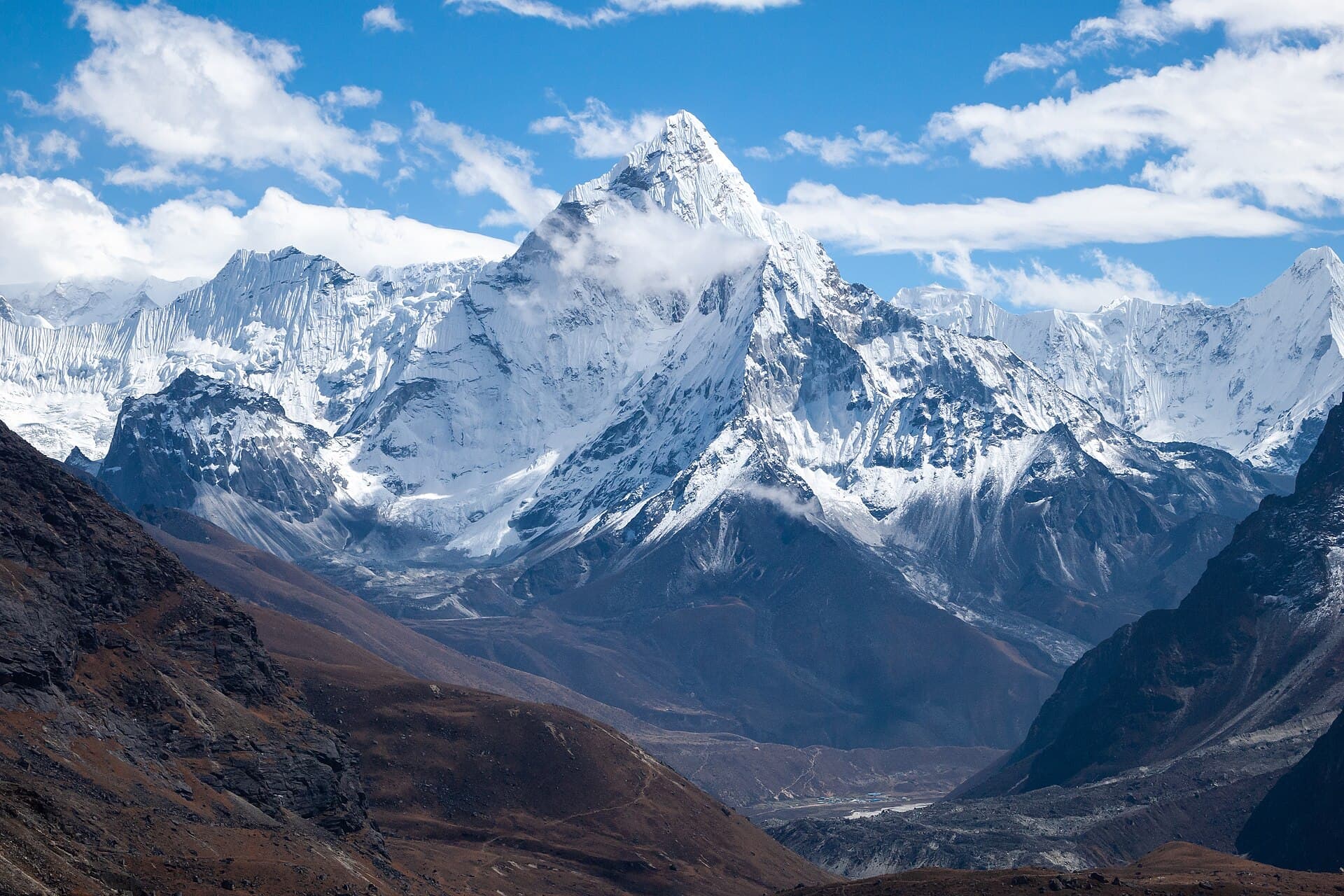
You arrive in Muktinath wrecked. Your knees ache from 1,500 meters of steep descent, your lungs are still adjusting to having oxygen again, and your face is burned from a full day above 5,000 meters. Then you see the prayer flags, the temple, and the stone village glowing in late afternoon light at 3,800 meters (12,467 feet), and something shifts. Muktinath is where the Annapurna Circuit exhales.
The Temple
Muktinath Temple is one of the most sacred pilgrimage sites in South Asia, revered by both Hindus and Buddhists. For Hindus, it is one of the 108 Divya Desam — sacred abodes of Lord Vishnu — and one of the few places where liberation from the cycle of death and rebirth is believed possible. For Tibetan Buddhists, it is known as Chumig Gyatsa (the Hundred Springs) and is associated with Guru Rinpoche (Padmasambhava), who is said to have meditated here.
The temple complex centers on a pagoda-style Vishnu shrine surrounded by 108 stone water spouts carved in the shape of bull heads, called Mukti Dhara. Glacial meltwater pours continuously through each one. Pilgrims walk beneath all 108 spouts in sequence — a ritual of physical and spiritual purification that has been practiced for centuries. The engineering required to channel water through 108 individual spouts at 3,800 meters is remarkable on its own terms.
Adjacent to the main temple is the Jwala Mai Temple, a small shrine housing a natural flame that has burned continuously for centuries, fed by underground natural gas. The flame flickers above a spring — earth, fire, water, and air converging in a single place. It is one of those things that sounds like a legend until you see it.
Continue reading Ghorepani — Poon Hill Sunrise and the Greatest Panorama on the Circuit →
Village Character
Muktinath village (also called Ranipauwa at its lower end) sits in the rain shadow of the Himalaya. The landscape is stark — brown hills, sparse vegetation, wide sky. The Tibetan influence is strong here: flat-roofed stone buildings, chortens along the paths, and Mustang's distinctive dry-valley aesthetic. It feels like a different country from the green foothills you left a week ago.
Tea Houses and Prices
After the sparse accommodations at Thorong Phedi and High Camp, Muktinath feels luxurious. Rooms range from NPR 1,000 to 2,000 per night (USD 8 to 15). Most lodges have dining halls with wood stoves, and the dal bhat portions are generous. Expect to pay USD 5 to 10 per meal. Hot showers are available for USD 2 to 5. Several lodges have basic Wi-Fi. Celebrate your pass crossing — most trekkers order the best meal on the menu and perhaps a beer, which costs about USD 5 to 7 at this altitude.
What to See
Beyond the temple complex, the views from Muktinath are exceptional. Dhaulagiri (8,167m) and Nilgiri (6,940m) dominate the skyline. The Kali Gandaki Valley stretches below. If you have a rest day, walk up to Jharkot, a fortified village with a crumbling dzong and monastery about 30 minutes downhill.
Tips
- Visit the temple early in the morning before the pilgrimage buses arrive from Jomsom.
- Dress respectfully at the temple. Remove shoes before entering shrine areas.
- The 108 water spouts are ice-cold glacial melt. Some trekkers walk under a few symbolically rather than all 108.
- Restock on supplies here if heading onward — Muktinath has better shops than anything between here and Jomsom.
- Your body may feel euphoric from the altitude drop. Eat well, hydrate, and sleep deeply. You earned it.
Muktinath is where the physical challenge of the circuit meets something older and quieter. Whether you come for the temple or simply collapse into a tea house bed, this village marks a turning point in the journey.
Sources: Wikipedia — Muktinath, Nepal Tourism Board — Muktinath, Muktinath Darshan — Temple Guide, Discovery World Trekking — Muktinath, Prayag Samagam — Muktinath Temple, Shivalaya Holidays — 108 Taps