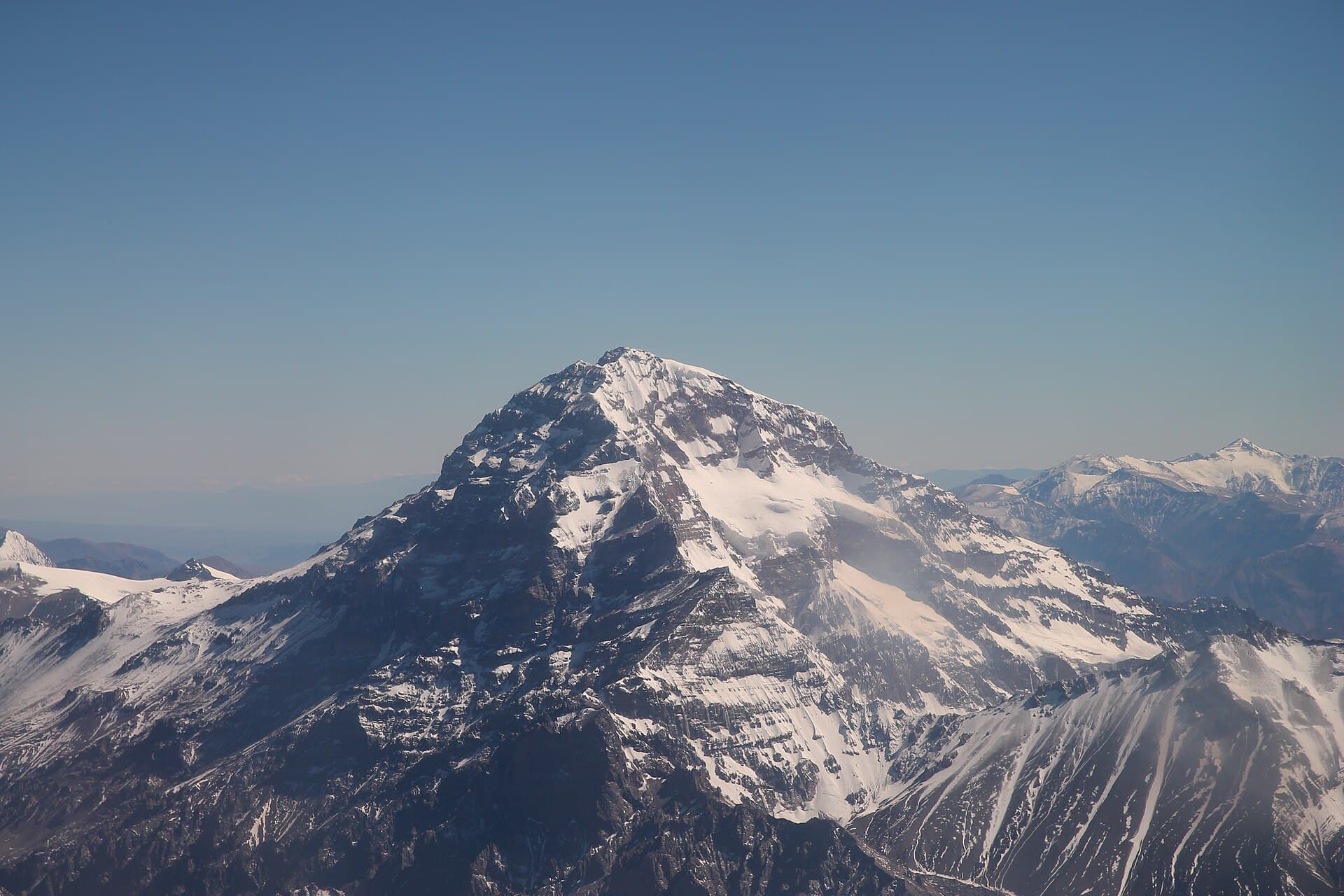
No other 7,000m peak on Earth has world-class wine country at its doorstep. The approach to Aconcagua begins in Mendoza, the capital of Argentine wine — a city surrounded by vineyards at the base of the Andes. This combination of high-altitude mountaineering and high-altitude viticulture is rare among major climbing destinations.
Mendoza wine: the basics
Mendoza produces roughly 70% of Argentina's wine. The region is defined by altitude — vineyards sit between 800m and 1,500m elevation, with some in the Uco Valley reaching above 1,700m. The high-altitude, arid climate produces intense Malbec, Mendoza's signature grape.
Two main wine sub-regions are accessible as day trips from the city:
Luján de Cuyo
The traditional heartland. Home to historic bodegas, many within 20 minutes of downtown Mendoza. This is where Malbec became Argentina's defining wine. The vineyards here sit at roughly 900–1,100m.
Valle de Uco
Newer, higher-altitude vineyards (1,200–1,700m) about an hour south of Mendoza. More modern architecture, emerging wineries. The altitude produces wines with brighter acidity and different character than Luján de Cuyo.
Continue reading The 461-meter trap: which insurance actually covers Aconcagua →
Top bodegas for a day visit
Catena Zapata
Mendoza's most iconic winery. The Mayan pyramid-inspired building is a landmark. Excellent wines, thorough tours, professional tastings. Book well in advance — Catena fills up weeks ahead in peak season (December–February).
El Enemigo (Alejandro Vigil)
Founded by one of Argentina's most respected winemakers. More intimate atmosphere than Catena. Outstanding food and wine pairings. Located in the Maipú area.
Bodega Norton
A larger, established producer with reliable tours and good value tastings. Less exclusive than Catena or El Enemigo, but consistently good. Located in Luján de Cuyo.
Others worth considering
- Zuccardi (Valle de Uco): Regularly named among the world's best wineries. Outstanding architecture and restaurant.
- Kaiken (Luján de Cuyo): Accessible, good tours, mid-range pricing.
- Trapiche (Maipú): One of Argentina's oldest wineries, large-scale but well-run tours.
Logistics and costs
Organized tours
A full-day, small-group wine tour visiting 3 bodegas with a multi-course lunch typically costs $180–250 USD per person. This usually includes hotel pickup, a bilingual guide, tastings at each winery, and lunch at one of the bodegas or a standalone restaurant.
Several operators run daily tours from Mendoza. Book 2–3 days in advance during peak season.
Self-guided by bike
The Maipú wine district, about 15km south of Mendoza, is popular for self-guided bike tours. Several rental shops near the Maipú train station rent bikes for roughly $10–15 USD per day. You can visit 3–4 bodegas at your own pace, cycling between them on flat roads through vineyard country.
This is the budget option: you pay only for the bike rental and individual tasting fees (typically $5–15 USD per winery). No lunch included — bring water and eat at one of the bodegas.
By remise (private car)
A remise (private car with driver) for a half-day wine tour runs $30–50 USD plus tasting fees. This works well for small groups. The driver waits while you visit each bodega. Arrange through your hotel.
Planning this route? We're forming a founding group for Aconcagua — Ruta 360 Traverse — registering interest is free, no commitment. See the expedition →
Potrerillos
Potrerillos sits 70km west of Mendoza on Ruta 7, at approximately 1,400m elevation. The town was transformed in the early 2000s when a dam created a large reservoir on the Río Mendoza. The lake turned a quiet mountain settlement into an adventure tourism hub.
What's there
- Rafting and kayaking on the Río Mendoza — Class II-III rapids, suitable for beginners. Half-day trips run $30–60 USD.
- The reservoir — kayaking, stand-up paddle, swimming in summer.
- Day hikes in the surrounding hills — nothing extreme, but pleasant walks with Andean views.
- Cabañas — cabin-style accommodation along the lake and river. Ranges from basic ($30–50/night) to comfortable ($80–150/night). Most have kitchens.
Potrerillos as a base
Potrerillos works well as a transition point:
- Pre-Aconcagua: Rest here after arriving in Mendoza, do a rafting trip, then continue west to the mountain. Slightly higher altitude than Mendoza (1,400m vs 750m) — marginal acclimatization benefit but better mountain proximity.
- Post-Aconcagua: Decompress here on the way back to Mendoza. After 2–3 weeks on the mountain, a cabaña by the lake with a functioning kitchen is a reasonable reward.
- Cordon del Plata access: Potrerillos is the last town with services before the road to Vallecitos. Stock up on food and fuel here if heading to Cordon del Plata for acclimatization.
What Potrerillos is not
Potrerillos is not a wine region. The vineyards are east and south of Mendoza city, not in the mountains. If you want to combine wine and adventure, plan the wine days from the city and the mountain days from Potrerillos — they're in opposite directions from Mendoza.
Combining wine and summit: a sample itinerary
| Days | Activity | Base |
|---|---|---|
| 1–2 | Arrive Mendoza. Wine tour (Luján de Cuyo or Uco Valley). Permit processing. | Mendoza city |
| 3 | Gear rental, grocery shopping, rest | Mendoza city |
| 4–7 | Cordon del Plata acclimatization (optional) | Vallecitos / Potrerillos |
| 8–24 | Aconcagua expedition (Normal Route, 14–17 days) | On mountain |
| 25–26 | Descent to Mendoza. Rest day. | Potrerillos or Mendoza |
| 27 | Wine tour #2 (the valley you didn't visit first time) | Mendoza city |
| 28 | Fly home | — |
This 4-week itinerary gives you wine on both ends, proper acclimatization, and a realistic Aconcagua timeline. The second wine day post-summit is earned.
Putting it together
The journey to Aconcagua starts in a city where vineyards run to the base of the Andes, passes through an adventure hub built around a reservoir, and can include a training circuit on 5,000m peaks before the main event. The wine and the mountain are part of the same trip.
7 Sources
- argentina.travelArgentina Travel (national tourism board) — Malbec Route in Mendoza
- argentina.travelArgentina Travel — Bodega Catena Zapata
- theworlds50best.comWorld's Best Vineyards — Zuccardi Valle de Uco
- mendoza.gov.arGobierno de Mendoza — Aconcagua Provincial Park permit sales (2025-26 season)
- argentinarafting.comArgentina Rafting — Río Mendoza rafting at Potrerillos
- andes-vertical.comAndes Vertical — Mount Vallecitos guided ascent (Cordón del Plata)
- troutandwine.comTrout & Wine — full-day Luján de Cuyo wine tour