Everest Base Camp: Everything a Solo Trekker Needs to Know
130 km round trip. 12-14 days. Sleeping altitude from 2,610m to 5,164m. This is the most-trekked high-altitude route on earth, and most of the information online about it is written by agencies trying to sell you a package.
Here is what you actually need to know.
1. Day-by-Day Itinerary: The Standard 14-Day Route from Lukla
The standard route follows the Dudh Koshi and Imja Khola river valleys, climbing gradually with two built-in acclimatization days.
| Day | Route | Altitude (m) | Altitude Gain (m) | Distance (km) | Walking Time (hrs) | Notes |
|---|---|---|---|---|---|---|
| 1 | Fly to Lukla, trek to Phakding | 2,610 | -250 (net descent) | 8 | 3-4 | Gentle warm-up day along the Dudh Koshi River |
| 2 | Phakding to Namche Bazaar | 3,440 | +830 | 11 | 5-7 | Steep climb after the Hillary Suspension Bridge. First Everest view. |
| 3 | Acclimatization day in Namche | 3,440 (sleep) / 3,880 (hike) | +440 / -440 | 3-5 | 3-4 | Hike to Everest View Hotel (3,880m) or Khumjung, return to sleep in Namche |
| 4 | Namche to Tengboche | 3,867 | +427 | 10 | 5-6 | Drop to river, climb to Tengboche monastery. Ama Dablam views |
| 5 | Tengboche to Dingboche | 4,410 | +543 | 12 | 5-6 | Crosses the treeline. Enters the high-altitude zone |
| 6 | Acclimatization day in Dingboche | 4,410 (sleep) / 4,800 (hike) | +390 / -390 | 3-4 | 3-4 | Hike to Nagarjun Hill (5,100m) for Makalu views |
| 7 | Dingboche to Lobuche | 4,940 | +530 | 11 | 5-6 | Passes memorial cairns at Thukla Pass (4,830m) |
| 8 | Lobuche to Gorak Shep, then to EBC | 5,164 (sleep) / 5,364 (EBC) | +424 | 13 | 6-8 | Arrive Gorak Shep by lunch. Drop bags, trek to EBC and back |
| 9 | Kala Patthar sunrise, descend to Pheriche | 4,371 | KP: +381 then -1,174 | 15 | 7-8 | Pre-dawn start for Kala Patthar (5,644m). Long descent day |
| 10 | Pheriche to Namche Bazaar | 3,440 | -931 | 17 | 6-7 | Fast downhill. Knees take a beating |
| 11 | Namche to Lukla | 2,860 | -580 | 19 | 6-7 | Final trail day |
| 12 | Fly Lukla to Kathmandu | -- | -- | -- | -- | Buffer day in case of weather delay |
| 13-14 | Buffer / Kathmandu | -- | -- | -- | -- | Weather delays are common. Do not book an international flight the day after your scheduled Lukla return |
Total trekking distance: ~130 km round trip. Source
Total walking days: 10-11 (plus 2 acclimatization, 1-2 buffer). Source
Daily walking time: 5-7 hours on most days, longer on Day 8-9. Source
Continue reading The Annapurna Circuit: Complete Evidence-Based Guide for 2026-2027 →
2. The Lukla Question: How to Get There
Lukla's Tenzing-Hillary Airport (2,860m) is the gateway. There are three ways in.
Option A: Fixed-wing flight
| Detail | Data |
|---|---|
| Cost (one way, foreigner) | $186-228 depending on departure airport |
| Flight time | 25-35 minutes |
| From Kathmandu (TIA) | $215-228 one way. Available in low season |
| From Ramechhap (RHP) | $186-190 one way. All peak-season flights diverted here since 2019 |
| Transport KTM to Ramechhap | $30 one way, 4.5-5 hours by bus/jeep. Departs ~3-4 AM |
The Ramechhap situation: During peak trekking season (Oct-Nov, Mar-Apr), all fixed-wing Lukla flights operate from Ramechhap, not Kathmandu. This means a painful 3-4 AM departure from Kathmandu by bus, arriving at a small rural airport. The reason is air traffic management at Kathmandu's Tribhuvan Airport. Source
Pros: Cheapest option. Regular schedule.
Cons: Extremely weather-dependent. Cancellations can strand you for 1-3+ days. The Ramechhap transfer is exhausting. The airport is genuinely dangerous — short runway carved into a mountainside with a 700m drop.
Option B: Helicopter
| Detail | Data |
|---|---|
| Private charter (KTM-Lukla) | $3,000-3,500 total (up to 5 passengers) |
| Shared helicopter | $650-750 per person |
| Flight time | 30-40 minutes |
| Weather tolerance | Better than fixed-wing. Can fly at 1,500m visibility vs 5,000m for planes |
Pros: More reliable in marginal weather. Can fly when planes cannot. Faster. Lands directly at Lukla.
Cons: Expensive. Shared seats sell out fast. Availability is unpredictable.
Option C: Road to Salleri/Phaplu + walk in
| Detail | Data |
|---|---|
| Jeep/bus KTM to Salleri | 8-10 hours, $20-40 |
| Trek Salleri to Lukla | 3-4 days |
| Total trip with EBC | 16-18 days |
| Total cost (guided) | $1,200-2,200 |
Pros: Eliminates Lukla flight risk entirely. Better natural acclimatization. Quieter, more authentic Solu region. Cheaper overall.
Cons: Adds 3-5 days. Tea houses on lower Solu trail are more basic. Rugged terrain. Fewer trekkers means less social trail.
3. Altitude Profile: Where AMS Hits Hardest
Sleeping altitudes night by night
| Night | Location | Sleeping Altitude (m) | Zone |
|---|---|---|---|
| 1 | Phakding | 2,610 | Safe |
| 2-3 | Namche Bazaar | 3,440 | Moderate — AMS symptoms can begin above 2,500m |
| 4 | Tengboche | 3,867 | Moderate-High |
| 5-6 | Dingboche | 4,410 | High — entering the danger band |
| 7 | Lobuche | 4,940 | Very High — 50-85% of trekkers experience AMS symptoms |
| 8 | Gorak Shep | 5,164 | Extreme — the highest you will sleep |
The 4,500-5,000m danger band
Research shows 50-85% of people experience early signs of AMS above 4,500m — see what altitude actually does to you for the full peer-reviewed data. This corresponds to nights 7-8 on the standard itinerary (Lobuche and Gorak Shep). Symptoms include headache, nausea, insomnia, loss of appetite, and dizziness. Source
Critical rule: Above 3,000m, do not increase sleeping altitude by more than 300-500m per day. The standard itinerary respects this limit, but barely — the Dingboche-to-Lobuche jump is 530m, making it the single hardest acclimatization day. Source
Climb high, sleep low: On acclimatization days, hike 300-400m above sleeping altitude and return. In Namche, hike to the Everest View Hotel (3,880m). In Dingboche, hike to Nagarjun Hill (5,100m). This is not optional tourism — it is a physiological necessity. Source
When to turn back
- Persistent headache unresponsive to ibuprofen
- Vomiting
- Ataxia (inability to walk in a straight line)
- Confusion or altered mental state
- Wet cough or breathlessness at rest (signs of HACE/HAPE)
Descend immediately. Every hour of delay at altitude with HACE or HAPE increases mortality risk. There are no hospitals above Namche. Source

4. Tea Houses: What to Actually Expect
By location
Phakding (2,610m): Simple but comfortable. Private rooms with thin walls. Shared bathrooms. Hot showers available ($3-5). Multiple options, rarely full.
Namche Bazaar (3,440m): The best accommodation on the trail. Some lodges approach mid-range hotel quality with ensuite bathrooms, hot water, and heated rooms. Bakeries, bars, gear shops, ATMs. This is the last place that feels like a town. Source
Tengboche (3,867m): Standard stone-and-wood buildings. Rooms include a single bed with sheet, pillow, and blanket. Common dining hall. Famous monastery nearby. Fewer options than Namche.
Dingboche (4,410m): Rooms are basic — thin walls, hard beds, pillow and blanket provided. A good sleeping bag is essential from here up. In peak season, you may share rooms. Some premium lodges exist with private bathrooms. Source
Lobuche (4,940m): Several basic tea houses. Beds and pillows, maybe a woolen blanket. Cold. Dining rooms are the only warm space (yak dung stoves). Expect to wear all your layers inside.
Gorak Shep (5,164m): The worst accommodation on the route and the most critical to book. Few tea houses exist, and every trekker heading to EBC sleeps here. In peak season, late arrivals sleep on restaurant benches, in storage tents, or on the floor. Arrive before 1-2 PM or book ahead through a guide. Source
Can you book ahead?
Premium/luxury lodges at Namche, Tengboche, and Dingboche can be pre-booked through agencies — and they sell out quickly in peak season. Standard tea houses generally operate on a first-come, first-served basis. The exception is Gorak Shep, where booking ahead is strongly recommended if you have a guide or agency contact.
In shoulder season (September, December, February), availability is rarely an issue anywhere. Source
The unwritten rule
Tea house rooms are priced at or below cost. The lodge makes its money from food and drink sales. You are expected to eat where you sleep. Staying at one lodge and eating at another is a breach of the social contract and may result in being asked to leave or charged a higher room rate.
5. The Khumbu Exception: Solo Trekking Without a Guide
The national rule
In April 2023, Nepal banned Free Independent Trekking (FIT). All foreign trekkers in national parks and conservation areas must hire a licensed guide through a registered trekking agency. This was lobbied for by TAAN (Trekking Agencies' Association of Nepal) since 2012. Source
The Khumbu exemption
The Khumbu Pasang Lhamu Rural Municipality — the local government that administers the Everest region — refused to implement the mandatory guide rule. In an official notice, the municipality stated that a trekking guide is not mandatory while trekking in the Everest region. Source
What this means practically
- You can legally trek to EBC without a guide in 2026-2027. The Khumbu municipality controls permit issuance in their territory and does not require proof of a guide.
- You still need the Sagarmatha National Park permit and Khumbu Rural Municipality permit (see Permits section below).
- The municipality argues its existing permit system provides adequate safety oversight.
- Some sources claim guides are mandatory everywhere including Khumbu. The on-the-ground reality, confirmed by the municipality's own statement, is that enforcement does not exist in the Everest region.
The practical calculation
Even though it is legal, going without a guide means:
- No pre-booked tea houses (critical at Gorak Shep in peak season)
- No one managing logistics if you get altitude sickness
- No local knowledge of trail conditions, weather, or shortcuts
- You carry your own pack or hire a porter independently
Many solo trekkers compromise: skip the guide, hire a porter-guide ($25-30/day) who carries your bag and knows the trail. This is significantly cheaper than a full guide-through-agency package. See agencies and guides for how to vet your options, and finding a group if you want to share costs.
6. Daily Costs on the Trail
By altitude band
| Cost Item | Below 3,000m (Lukla-Phakding) | 3,000-4,000m (Namche-Tengboche) | Above 4,000m (Dingboche-Gorak Shep) |
|---|---|---|---|
| Room (basic tea house) | $3-5/night | $5-15/night | $5-25/night |
| Dal Bhat | $5-7 | $7-10 | $10-15 |
| Other meals | $4-6 | $6-9 | $8-12 |
| Tea/coffee | $1-2 | $2-3 | $3-5 |
| Bottled water (1L) | $1-1.50 | $2-3 | $3-6 |
| Boiled water | $0.40-1 | $1-1.50 | $1.50-2 |
| Wi-Fi (per session/day) | $2-3 | $3-5 | $5-10 |
| Device charging | $1-2 | $2-4 | $5-7 |
| Hot shower | $3-5 | $5-7 | $5-10 (if available) |
| Beer | $3-4 | $4-6 | $5-8 |
| Coca-Cola | $2-3 | $3-4 | $4-5 |
Daily total estimate
| Budget Level | Daily Spend | 14-Day Total |
|---|---|---|
| Strict budget (dal bhat, boiled water, no showers above Namche, no wifi) | $20-30 | $280-420 |
| Moderate (varied meals, occasional shower, wifi, charging) | $35-50 | $490-700 |
| Comfortable (best tea houses, snacks, beer, daily shower where available) | $50-70 | $700-980 |
These are trail costs only. For the full all-in breakdown including flights, insurance, gear, and tips, see the real cost of trekking Nepal or run the numbers in the budget calculator.
Sources: Mountain Routes — food & accommodation costs, Himalayan Hero — cost guide, 5K Treks — water costs
Water strategy
Buying bottled water for 14 days costs $50-150. Instead: bring a water filter (Sawyer Squeeze, Katadyn BeFree) or purification tablets (iodine or chlorine-based, a few dollars for the whole trip). Fill from tea house taps or streams and treat. Budget: under $10 for the whole trek. Source
7. Permits: Exactly What You Need
As of 2025-2026, TIMS (Trekkers' Information Management System) is no longer required for the EBC route. It has been replaced by the municipal permit. For the full permit picture across all regions, see the Nepal bureaucracy checklist. Source
| Permit | Cost (Foreigner) | Where to Get It |
|---|---|---|
| Sagarmatha National Park Entry Permit | NPR 3,000 (~$22 USD) | Nepal Tourism Board office, Exhibition Road, Kathmandu — or at the checkpoint in Monjo |
| Khumbu Pasang Lhamu Rural Municipality Permit | NPR 3,000 (~$20 USD) | At the checkpoint in Lukla or Monjo |
| Total | NPR 6,000 (~$44 USD) |
Practical notes
- Both permits can be obtained on the trail at Monjo (between Phakding and Namche), but getting the Sagarmatha permit in Kathmandu beforehand saves time.
- Bring passport-sized photos (4-6) and copies of your passport.
- SAARC nationals pay reduced rates.
- The Khumbu municipality permit replaced TIMS for this region. Other regions still require TIMS.
8. Weather by Month at Key Stops
Autumn peak season (October-November)
| Location | Altitude | Oct Daytime | Oct Nighttime | Nov Daytime | Nov Nighttime |
|---|---|---|---|---|---|
| Namche Bazaar | 3,440m | 10-15C | 0 to -3C | 8-12C | -3 to -7C |
| Dingboche | 4,410m | 5-10C | -5 to -7C | 2-8C | -7 to -12C |
| Gorak Shep | 5,164m | 0-5C | -10 to -15C | -2 to 3C | -12 to -18C |
October: The single best month. Clear skies, moderate cold, low precipitation. Highest traffic on the trail.
November: Still excellent. Colder nights require a warmer sleeping bag (-20C rated). Crowds thin after the first week. Source
Spring peak season (March-April)
| Location | Altitude | Mar Daytime | Mar Nighttime | Apr Daytime | Apr Nighttime |
|---|---|---|---|---|---|
| Namche Bazaar | 3,440m | 8-12C | -2 to -5C | 10-15C | 0 to -3C |
| Dingboche | 4,410m | 3-8C | -8 to -12C | 5-10C | -5 to -10C |
| Gorak Shep | 5,164m | -2 to 3C | -12 to -18C | 0-5C | -10 to -15C |
March: Warming but still cold at altitude. Rhododendrons begin blooming below 4,000m. Some afternoon cloud buildup.
April: Warmer, longer days, best visibility of spring. Slightly more afternoon cloud and occasional precipitation at altitude than autumn. Rhododendrons in full bloom at lower elevations.
Gear implications
- October: Down jacket for evenings. 3-season sleeping bag sufficient below Dingboche, -15C to -20C bag above.
- November: -20C sleeping bag mandatory. Balaclava and heavy gloves for Kala Patthar pre-dawn.
- March: Similar to November. Wind chill is the main factor above 4,500m.
- April: Most comfortable of the four peak months. -15C bag sufficient for most people.
9. Common mistakes
1. Rushing the itinerary
The single most cited mistake. Altitude sickness does not care about your flight schedule. Skipping acclimatization days is the fastest way to fail. First-timers should never compress the itinerary below 12 days. Source
2. Overpacking
Your pack should weigh 7-10 kg if you weigh 70 kg (10-15% of body weight). Every extra kilogram is magnified by altitude. Check the gear guide for what to actually bring and leave the "just in case" items in Kathmandu — you can store bags at your hotel. Source
3. Underestimating hydration
Drink at least 3-5 liters per day. At altitude, you lose water faster through respiration (dry, cold air). Your urine should be light yellow. Dark urine is an early warning sign. Source
4. Cotton clothing
Cotton absorbs sweat and does not dry. At altitude, a damp cotton base layer against your skin can cause rapid heat loss and hypothermia. Wear synthetic or merino wool base layers only. Source
5. Ignoring sun protection
UV intensity increases ~10-12% per 1,000m of elevation gain. At 5,000m, you are receiving 50-60% more UV than at sea level. Snow reflection doubles the dose. Put sunscreen under your chin, inside your nostrils, and on your ears. Wear UV-blocking sunglasses or glacier goggles. Snow blindness is real and debilitating. Source
6. Not breaking in boots
Waterproof trekking boots must be broken in at least a month before departure. Blisters at 4,500m are not a minor inconvenience — they are a potential trek-ending injury in an environment where hygiene and healing are compromised. Source
7. No altitude-rated insurance
Standard travel insurance does not cover trekking above 3,000-4,000m. You need a policy that explicitly covers altitude up to 6,000m and helicopter evacuation — and you need to understand the helicopter insurance fraud scandal before choosing a provider. Without proper coverage, an emergency evacuation costs $3,000-5,000 out of pocket. Source
8. Eating heavy Western food at altitude
Your appetite drops naturally above 4,000m. Ordering pizza, steak, or pasta strains your digestion and the tea house kitchen (ingredients are harder to source). Dal Bhat is the optimal trek food: high carb, easy to digest, locally sourced, and often comes with free refills. There is a reason Sherpas eat it twice a day. Source
9. Disrespecting local culture
Walk clockwise around stupas and mani walls (keep them to your right). Remove shoes before entering monasteries. Ask before photographing people. The Khumbu is a living Buddhist community, not a theme park. Source
10. No buffer days for Lukla flights
Flights cancel due to weather. It happens every season, sometimes for 2-3 consecutive days. Do not book an international departure within 48 hours of your scheduled Lukla-Kathmandu return. Budget at least 2 extra days. Source
10. Kala Patthar vs Everest Base Camp: The Viewpoint Debate
The uncomfortable truth about EBC
Everest Base Camp (5,364m) sits at the foot of the Khumbu Icefall, surrounded by glacial moraine. You cannot see the summit of Everest from EBC. The massive shoulder of Nuptse (7,861m) blocks the view. What you see is the Khumbu Icefall, expedition tents (in spring), and a landscape of rock and ice. It is impressive in a geological sense but visually underwhelming compared to what most people imagine. Source
Kala Patthar is the actual viewpoint
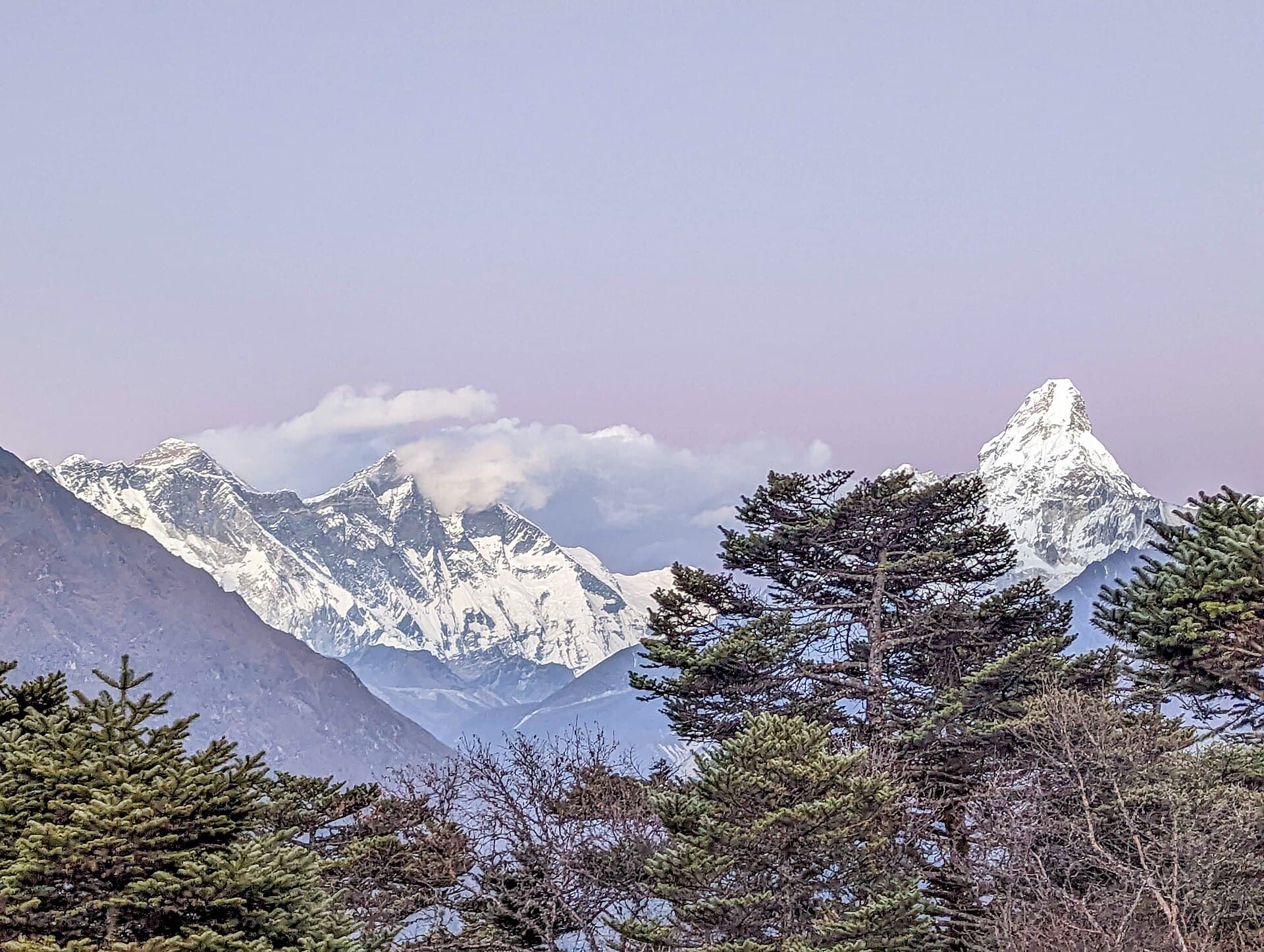
Kala Patthar (5,644m) is a rocky peak above Gorak Shep. It is the highest point on the standard EBC itinerary and provides the unobstructed panoramic view of Everest's summit that everyone wants. The 360-degree panorama includes Everest (8,849m), Nuptse (7,861m), Pumori (7,161m), Changtse (7,583m), and Ama Dablam (6,812m). Source
The standard approach
Most itineraries include both. Day 8: trek to EBC. Day 9: pre-dawn hike up Kala Patthar for sunrise, then descend. This is the correct sequence — you should not skip either.
| Feature | EBC | Kala Patthar |
|---|---|---|
| Altitude | 5,364m | 5,644m |
| Everest summit visible? | No | Yes — clear and unobstructed |
| Panoramic views | Limited (valley floor) | 360-degree Himalayan panorama |
| Emotional payoff | "I was at Base Camp" | "I saw Everest" |
| Physical difficulty | Moderate (flat from Gorak Shep) | Hard (steep 400m gain at extreme altitude) |
| Time from Gorak Shep | 2-3 hours round trip | 3-4 hours round trip |
The verdict: EBC is the destination. Kala Patthar is the view. Do both. If you had to choose one, Kala Patthar is the superior experience. Source, Source
11. Return Options from Lukla
Option 1: Fly back (standard)
| Detail | Data |
|---|---|
| Cost | $186-228 one way |
| Time | 25-35 minutes |
| Risk | Weather cancellations. Sept-May: budget 2 extra days. May-June: budget 3-4 extra days |
Helicopters can fly in worse visibility than fixed-wing planes (1,500m vs 5,000m minimum visibility). When flights are grounded for days, agencies arrange helicopter evacuations at $500-750 per person (shared). At peak demand, prices surge and seats sell out. Source, Source
Option 2: Emergency helicopter
If flights are cancelled for multiple days and you have a hard international connection:
| Detail | Data |
|---|---|
| Private helicopter | $2,500-3,500 (4-6 passengers, cost shared) |
| Shared helicopter seat | $500-750 per person |
| Availability | Not guaranteed. Sells out when demand is highest |
Option 3: Trek to Salleri + jeep
| Detail | Data |
|---|---|
| Lukla to Salleri on foot | 2 long days |
| Salleri to Kathmandu by jeep | 10-14 hours on rough roads |
| Cost | Minimal (tea house stays + jeep fare) |
This is the backup plan when flights are grounded and helicopters are sold out. It is physically demanding but it guarantees you get out. Source
Option 4: Trek to Jiri (the classic route)
The original EBC approach before Lukla airport existed. Adds 5-7 days of trekking through mid-hills. Beautiful but only practical if you have unlimited time. Source
Weather delay probability
| Season | Recommended Buffer Days |
|---|---|
| Sept 10 - May 10 | 2 days |
| May 10 - June 1 | 3 days |
| June 1 - June 15 | 4 days |
| Monsoon (June-Sept) | Don't fly |
12. Cell Coverage and Connectivity
NTC vs Ncell: which to buy
Buy both. They cover different parts of the route. SIM cards cost $1-2 each in Kathmandu. Data packages are cheap. Having both means you always have the best available signal. Source
Coverage by location
| Location | Ncell | NTC | Notes |
|---|---|---|---|
| Lukla (2,860m) | Good | Good | Both work well |
| Phakding (2,610m) | Good | Good | |
| Namche Bazaar (3,440m) | Good | Good | Last reliable data coverage for both |
| Tengboche (3,867m) | Patchy | Poor/None | Ncell has some signal. NTC coverage drops |
| Dingboche (4,410m) | Patchy | Patchy | Both unreliable. Wi-Fi is the better option |
| Lobuche (4,940m) | Poor/None | Patchy | NTC may have sporadic signal |
| Gorak Shep (5,164m) | None | Weak | NTC occasionally works for calls. Don't rely on data |
| Everest Base Camp (5,364m) | None | Weak/None | Essentially no reliable mobile coverage |
Everest Link Wi-Fi
The primary connectivity option above Namche. Everest Link is a private ISP that provides Wi-Fi at tea houses throughout the Khumbu region.
| Package | Cost | Notes |
|---|---|---|
| 24-hour unlimited | NPR 1,000 (~$7-10) | Per device |
| 20 GB / 30 days | NPR 1,500 (~$10-15) | Best value for multi-day use |
Prepaid scratch cards available at most tea houses. Speed decreases with altitude and demand. Usable for messaging and email; unreliable for video calls or large uploads. Source, Source
Practical recommendation
- Below Namche: mobile data works fine on both networks
- Namche to Dingboche: Everest Link Wi-Fi is more reliable than cellular
- Above Dingboche: Everest Link is your only real option. Expect slow, intermittent connections
- Bring a power bank (20,000 mAh minimum). Charging costs $2-7 per device depending on altitude. Solar chargers are unreliable given the limited sun hours and cold temperatures affecting battery performance
Source Index
- Earth Trekkers — EBC day-by-day itinerary
- EBC Trek Guide — distance and altitude data
- Ace the Himalaya — trek distance guide
- Ian Taylor Trekking — daily distances
- Kathmandu to Lukla Flight — prices 2026/2027
- Pride Nepal Travel — Lukla flight price 2026
- Namaste Nepal Trekking — Ramechhap to Lukla
- Green Valley Nepal — helicopter flight cost
- Access Nepal Tour — Lukla flight guide
- Base Camp Trek Nepal — Salleri/Phaplu walk-in
- Ambition Himalaya — EBC by road
- Mountain Routes — acclimatization guide
- Mountain Routes — altitude guide
- Shikhar Adventure — altitude chart
- Trek and Tour Nepal — accommodation guide
- EBC Trek Guide — teahouses
- The Everest Holiday — standard vs luxury
- Mosaic Adventure — accommodation guide
- myRepublica — Khumbu solo trekking allowed
- Explore All About Nepal — mandatory guide policy 2026
- Nepal EBC — solo trekking legal status
- Best Heritage Tour — solo trekking ban
- Mountain Routes — food & accommodation costs
- Himalayan Hero — cost breakdown 2026
- 5K Treks — water cost guide
- Magical Nepal — water safety
- Follow Alice — permits and fees 2026
- Himalayan Recreation — EBC permits and fees
- Abound Holidays — EBC permit guide
- Hiking Nepal — permits 2026
- The Everest Holiday — weather month by month
- Outfitter Himalaya — EBC in March
- Himalayan Recreation — EBC in April
- Frolic Adventure — weather & temperature
- Nepal Guide Trekking — 15 mistakes for beginners
- Follow Alice — 15 things to know
- Heaven Himalaya — 70 trek tips
- EBC Trek Guide — Kala Patthar
- Magical Nepal — Kala Patthar guide
- Himalayan Recreation — Kala Patthar
- Adventure Altitude — Lukla flight cancellations
- Best Heritage Tour — NTC vs Ncell
- Himalayan Masters — mobile signals & Wi-Fi
- The Everest Holiday — SIM cards for trekkers
- Highland Expeditions — SIM & Wi-Fi