Elevation and Setting
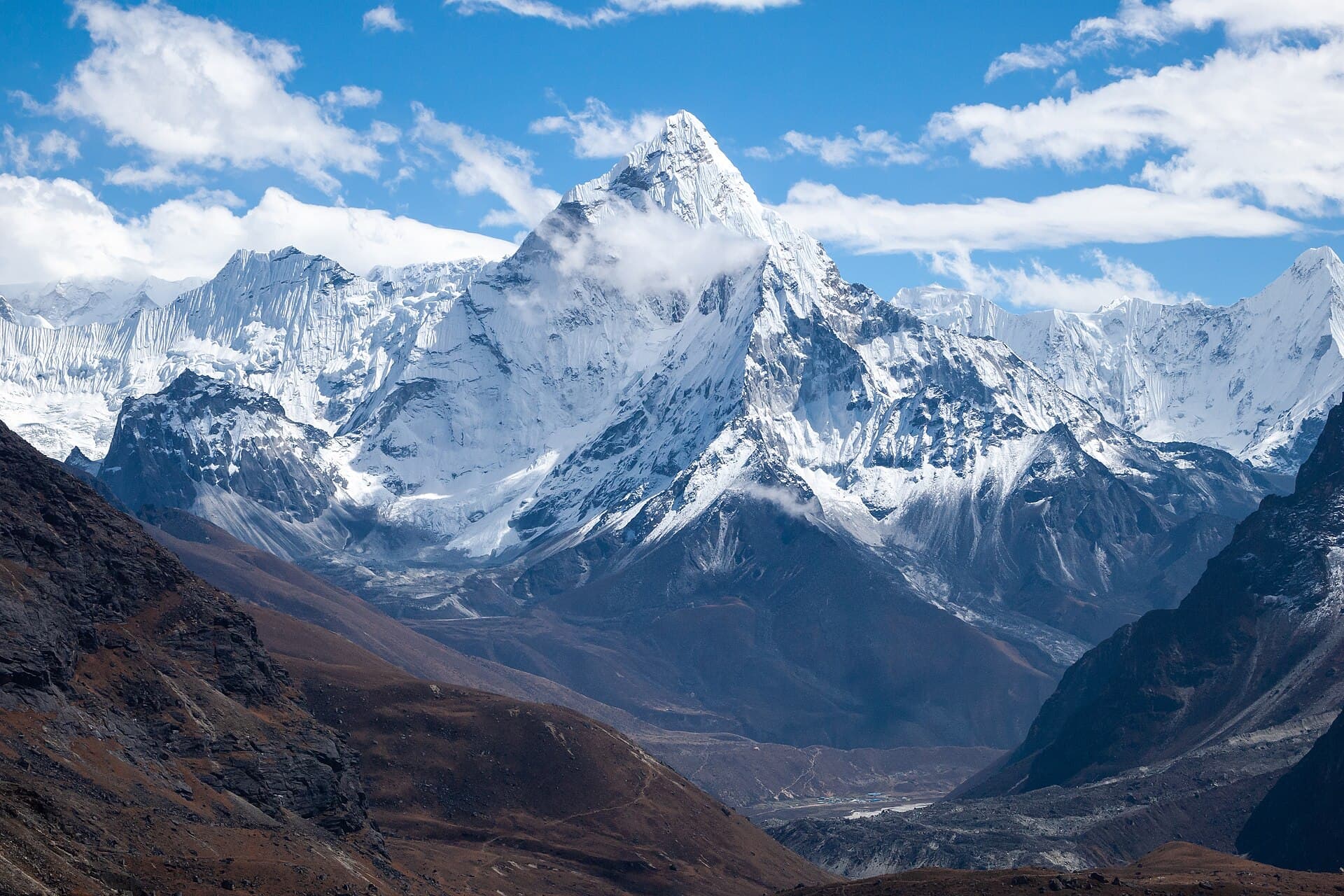
Dingboche sits at 4,410 metres (14,470 feet) in a broad, wind-swept valley flanked by towering peaks. To the north, the massive south face of Lhotse (8,516 m) dominates the skyline. Ama Dablam rises to the west, and on clear days Makalu (8,485 m) — the world's fifth-highest mountain — is visible to the east. The village is one of the highest year-round settlements in the Khumbu, with stone-walled fields where hardy potatoes and buckwheat are cultivated during the short summer growing season.
The Village
Dingboche is smaller and quieter than Namche but well-equipped for trekkers. A single main trail runs through the village past a row of lodges, a few small shops selling snacks and basic supplies, and a Himalayan Rescue Association (HRA) aid post that gives daily afternoon talks on altitude sickness during peak season. There is no ATM, so bring enough cash from Namche. Electricity is solar- or generator-powered, and charging devices costs a small fee at most lodges.
Continue reading Gorak Shep — The Final Settlement Stop on the EBC Trek →
Tea Houses and Prices
The village has around fifteen teahouses. Basic twin rooms cost USD 5 to 15 per night. Better lodges like Hotel Good Luck and Summit 4410m offer cleaner rooms with solar-powered charging stations for USD 15 to 30. Meals run USD 7 to 14, with dal bhat being the most affordable and filling option. Hot showers are available but cost USD 3 to 5. Total daily spend for a room, three meals, and extras is typically USD 35 to 50. Prices are noticeably higher than at lower villages because every supply is carried in by porter or yak.
Acclimatization Advice
Dingboche is the second mandatory acclimatization stop after Namche. You should spend at least two nights here. On your rest day, the classic acclimatization hike climbs to Nagarjun Hill (also called Dingboche Ri) at approximately 5,100 metres — a rocky outcrop with 360-degree views of Lhotse, Makalu, Ama Dablam, and the Island Peak ridge. The hike takes about three hours round trip and follows the "climb high, sleep low" principle that is the cornerstone of safe altitude adaptation.
At this elevation, oxygen saturation in your blood will have dropped significantly. The Wilderness Medical Society recommends ascending no more than 500 metres per day in sleeping altitude once above 3,000 metres. Listen to your body. Headaches, nausea, insomnia, and loss of appetite are early signs of AMS. If symptoms worsen or you develop ataxia (unsteady walking), descend immediately. The HRA aid post in Dingboche can check your oxygen levels and advise on whether it is safe to continue.
Drink at least four litres of water per day. Eat calorie-dense, carbohydrate-rich meals even if your appetite is low. Avoid alcohol entirely at this altitude.
What to See
- The acclimatization hike to Nagarjun Hill for some of the best panoramic mountain views on the entire trek.
- The afternoon altitude sickness lecture at the HRA aid post — free and highly recommended.
- The stone-walled yak pastures surrounding the village, which give Dingboche a timeless, pastoral character.
- Chorten and prayer flags marking the trail above the village.
How Long Trekkers Stay
Two nights is standard. Skipping the acclimatization day here significantly increases the risk of serious altitude illness higher on the route.
Tips
- Attend the HRA lecture on your rest day. It covers AMS recognition, Diamox usage, and when to turn back.
- Wind picks up in the afternoon. Layer up and carry a windproof jacket even on the acclimatization hike.
- Sleep with your head slightly elevated if you experience mild headaches at night.
- Consider Diamox (125-250 mg twice daily) if you have been experiencing mild AMS symptoms. Consult the HRA staff.
- This is the last village with a relatively wide selection of lodges before the trail narrows. Choose your room carefully and settle in.
5 Sources
- acethehimalaya.comAce the Himalaya — Dingboche Guide
- havenholidaysnepal.comHaven Holidays Nepal — Dingboche Acclimatization
- missionsummittreks.comMission Summit Treks — Dingboche
- cdc.govCDC — High-Altitude Travel
- trekandtournepal.comTrek and Tour Nepal — EBC Accommodation Guide