Search for "permits needed" plus almost any mountain and you get fragments — a forum thread from three seasons ago, an operator page selling you the answer, an official portal that assumes you already know which of four permits applies. This hub is the assembled answer. Each destination below links to jtreks' full permit guide for that place, where every number carries its source. This page holds only the shape of each system: what you need, roughly what it costs, and the deadline that actually bites.
One rule travels everywhere: the permit deadline, not the flight price, is the planning constraint. Lotteries close months out. Quotas sell out in hours. If a destination below says "lottery" or "cap," read its full guide before booking anything else.
The Americas
Denali (USA). $450 mountaineering fee and a mandatory registration that closes 60 days before you fly — miss it and the season is over for you. Full rules: Denali permits in 2026, and the money picture in the Denali cost guide.
Grand Canyon (USA). The backcountry permit itself costs $58; the hard part is winning it — demand outstrips supply for every classic itinerary. How the system works: the Grand Canyon permit.
Yellowstone (USA). Backcountry access runs through a lottery that filters the park's millions of visitors down to a fraction of a percent. The mechanics: Yellowstone's backcountry lottery.
Canyonlands & Arches (USA). Backcountry permits drop four months out, most routes carry zero water, and the park's own advice is to assume no rescue. Details: Canyonlands backcountry 2026.
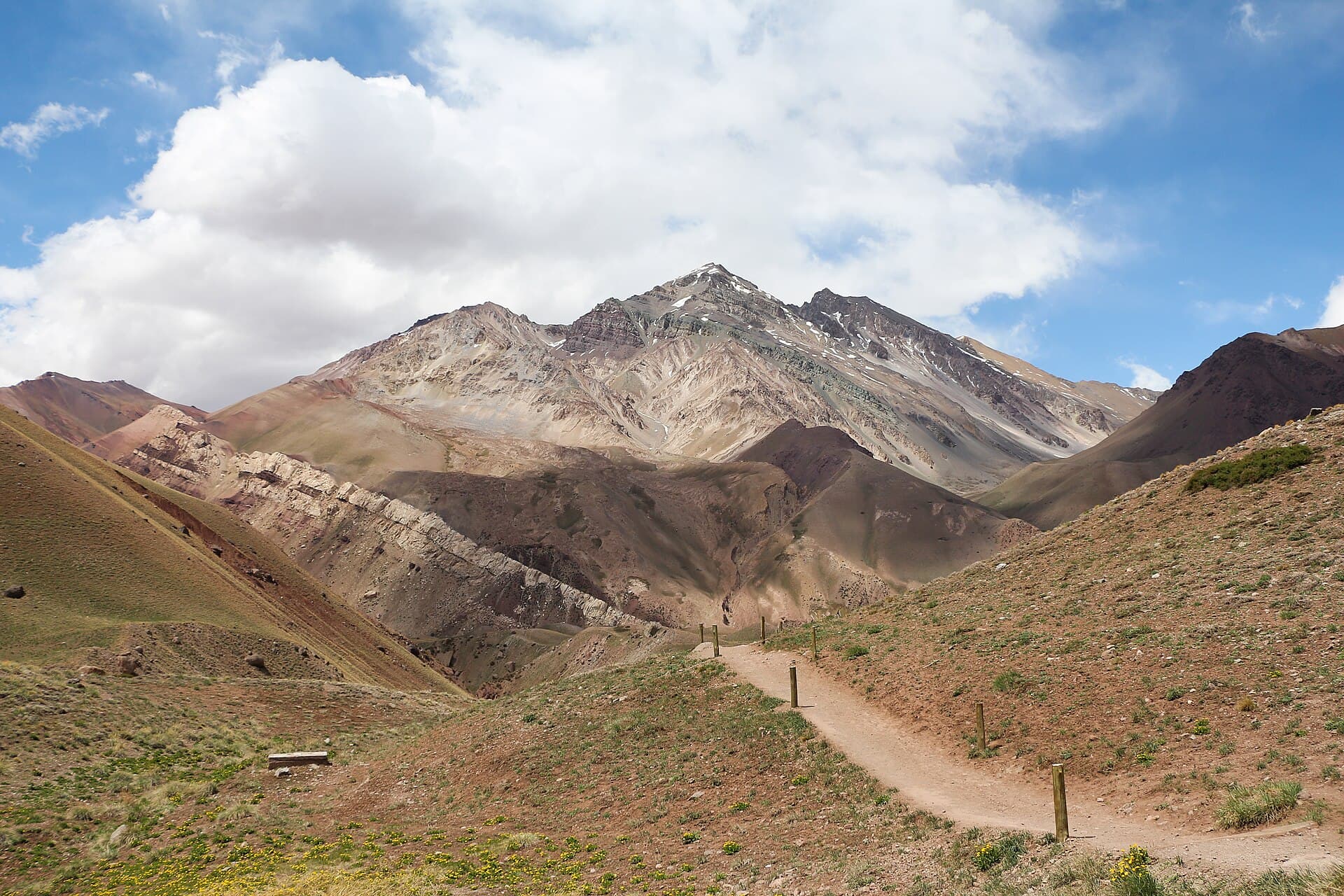
Aconcagua (Argentina). Provincial permit, bought in Mendoza: $950 in high season, $600 in the shoulder — plus the insurance the province requires. Full breakdown: Aconcagua permits and insurance.
Inca Trail (Peru). A 500-person daily cap (porters included) that sells out classic dates months ahead; the permit is only sold through licensed operators. The system: the Classic Inca Trail.
Europe
Mont Blanc (France). The Goûter route is a permit peak now: a 214-a-day reservation system tied to hut beds. How to actually get a slot: inside the Mont Blanc permit system.
The Alps generally run on hut reservations rather than permits — the gate is a bed, not a paper. For the Dolomites that means the rifugio booking process and, for costs, whether a CAI card is worth it. For bivouac rules where no hut is involved, see the sourced example of how strict a European park can be: Ordesa's bivouac regulations.
Asia
Nepal. Visa on arrival, TIMS/park entries, municipality fees, mandatory insurance — the full stack, itemized: the complete Nepal trekking bureaucracy checklist.
Pakistan (Karakoram). Permits are inseparable from licensed operators, and the fee schedule has moved repeatedly — what you actually pay: Pakistan trekking permits and operators.
Ladakh (India). The Inner Line Permit is gone; the Protected Area Permit for foreigners is not. Which one you need and where: Ladakh permits 2026.
Africa
Kilimanjaro (Tanzania). Park fees are folded into operator prices, which is exactly why they're opaque — the fee stack, unbundled: what Kilimanjaro actually costs in 2026.
Patagonia
Torres del Paine (Chile). Not a permit system — a booking system, split across three operators that don't talk to each other, which in peak season gates the park more tightly than most permits would. The mechanics: booking the three portals.
If your destination isn't listed, its jtreks region guide covers entry requirements in context — and if we haven't verified a permit fact, we don't print it. Numbers above are anchored in the linked guides, each with its own sources and update dates; when a linked guide and this page disagree, the guide is newer-maintained and wins.