jtreks.co

Japanese Alps

Kamikōchi, Tateyama, Yari-ga-take — mountain hut culture that makes the Dolomites look sparse.

7 articles|84 sources|0 agency affiliates|open source

Research

Articles

View all 7 →

Getting to the Japanese Alps — Shinkansen, Azusa express, and the JR Pass that just got expensive

high10 src

Tokyo to the trailhead in 4 hours. Shinjuku to Matsumoto on the Azusa express (2.5 hours), then a bus to Kamikōchi. Tokyo to Toyama on the Hokuriku Shinkansen (2 hours), then the Alpine Route to Murodo. No rental car needed. The JR Pass had a 69% price increase in October 2023 and another 6–7% coming in October 2026.

Mountain hut culture that makes the Dolomites look sparse — and bears that tripled in a decade

high16 src

A hundred years of staffed mountain huts serving communal dinner at 5 PM. Bears that tripled from 15,000 to 44,000 in a decade. A weak yen that makes Swiss huts look like luxury hotels. The Japanese Alps are the best-value major mountain range in the developed world in 2026, and most English-language trekking content still treats them as an exotic footnote.

Sansō — the mountain hut system that serves dinner at 5 PM and charges ¥10,000 with meals

high12 src

Reservations mandatory since COVID. Communal futon rooms. Dinner at 5 PM, breakfast at 5 AM, lights out at 9 PM. No showers. The Japanese mountain hut system is the densest in the developed world, and the pricing — ¥10,000–13,000 all-inclusive — undercuts every equivalent in Europe.

When to trek the Japanese Alps — tsuyu, typhoons, and the 3 PM rule

high10 src

Tsuyu (rainy season) runs June 7 to July 20. Typhoons hit August through October. Afternoon thunderstorms build over ridgelines daily from July through September. The Japanese Alps trekking window is mid-July to mid-October, and the weather constrains every day within it.

Kamikōchi — Japan's Chamonix, bus-only since 1994, and the gateway to Yari-ga-take

high12 src

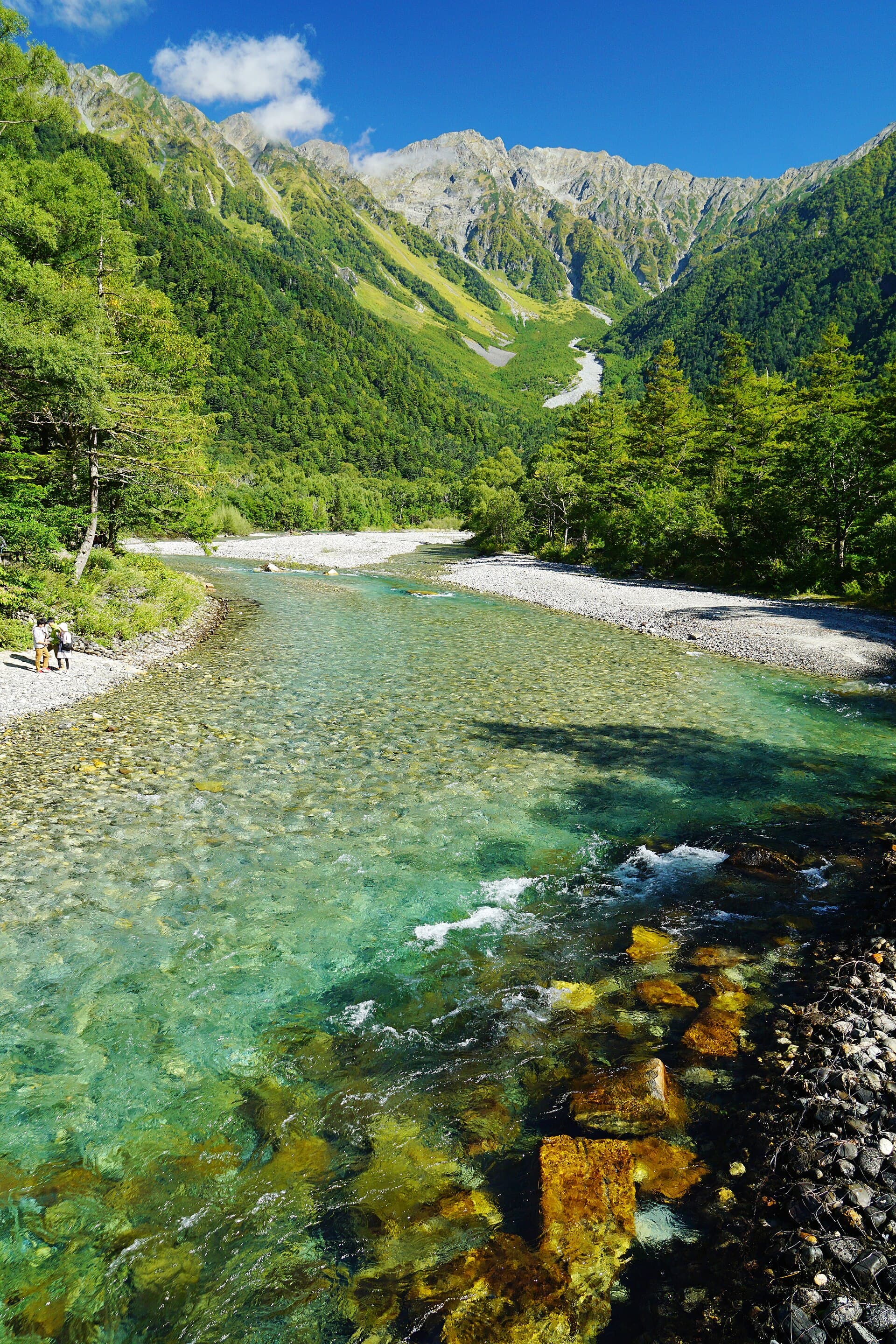
A 1,500-meter valley floor, private vehicles banned since 1994, and the starting point for every major Northern Alps route. Kamikōchi is not a town — it is a national park gateway with suspension bridges, volcanic lakes, and trail access to Yari-ga-take and the Hotaka massif.

Tateyama-Kurobe Alpine Route — 6 transport modes, a 20m snow corridor, and Tsurugi-dake

high12 src

A 37 km sightseeing corridor through the Northern Alps using cable cars, buses, a tunnel trolleybus, an aerial ropeway, and a funicular — then walking across Japan's tallest dam. The snow corridor walls reach 20 meters. Murodo at 2,450 m is the gateway to Tateyama (one of Japan's Three Holy Mountains) and Tsurugi-dake (the most dangerous mountain in Japan). Hotel Tateyama closes August 2026.

Yari-Hotaka traverse — the Daikiretto knife-edge and Japan's most exposed ridge walk

high12 src

A 3–4 day ridge traverse connecting Yari-ga-take (3,180 m) to Oku-Hotaka-dake (3,190 m) across the Daikiretto — a knife-edge notch with fixed chains, ladders, and exposure that makes it the most technically demanding trail in the Northern Alps. Sansō at every stage. Not a beginner route.

Tools

Plan Your Trek

The jtreks research digest

Get the Japanese Alps research before you book anything.

One email every couple of weeks with new articles, price updates, permit changes, and the stuff agencies won't tell you. Every claim sourced.

Free. No spam. Unsubscribe anytime.